
TGL Trusted: Good Design Is a Conversation, Not a Deliverable (with Galena Creative)
We’re back with another edition of TGL Trusted.
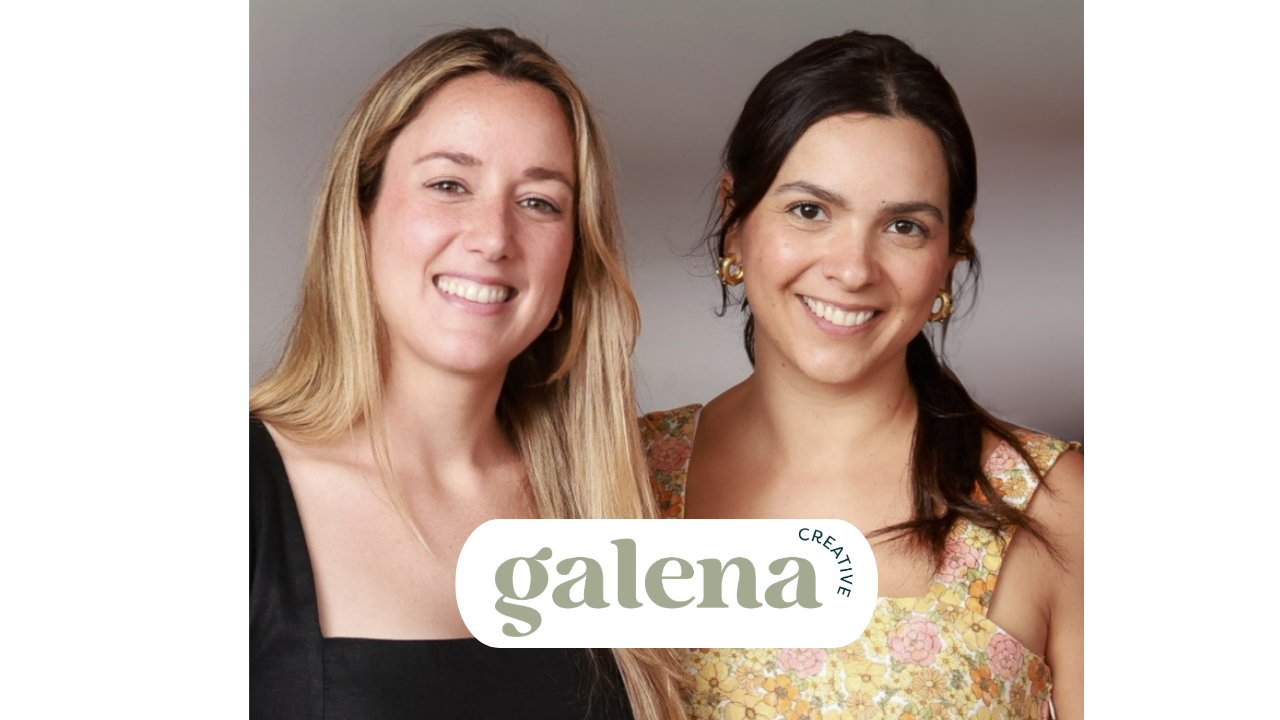
A good brand has to do more than look good. It has to communicate an idea, create a feeling, and give people a reason to trust the organization behind it. That’s the thinking behind our friends at Galena Creative, a women-owned brand strategy and design studio led by Leah Ryan, Founder and Creative Director, and Natasha Alvarez, Art Director and Studio Lead.
Their mission is simple:
“To turn ideas into brands people can see, feel, and trust.”
- Leah Ryan, Founder, Galena Creative
When we sat down with our friend Leah, our conversation went beyond logos, colors, and making things look good. We got into the messy beginnings of a creative project, the importance of asking “why,” and how designers develop taste. We also explored AI’s impact on the future of design and why the best creative partnerships leave room for experimentation.
So, let’s get into it, shall we?
Design Therapy
Design therapy is the term Galena Creative uses to describe the process of sorting through clients’ thoughts, feelings, ideas, and goals.
Like regular therapy, It’s not about having all the answers upfront and more about creating space to untangle what matters. Galena’s kickoff process helps clients work through where they fit in their market, what makes them different, and what they’re trying to accomplish.
As Leah puts it:
“We take all the open tabs, half-formed ideas, and scattered visions and turn them into a clear path forward.”
Ask Why Before You Make It Pretty
For Leah, one of the most important skills in design has little to do with the visual execution.
It's asking why.
“It is so important to really drill down on why something matters to a client, so that you can be designing strategically and not just making things pretty.”
- Leah Ryan, Founder, Galena Creative
A logo can look great. A website can feel polished. A social graphic can stop someone mid-scroll. But if those choices aren’t connected to what an organization is actually trying to accomplish, good-looking work can still miss the mark.
Asking “why” gives designers context. It helps uncover what the audience needs to understand, what the client is trying to communicate, and what problem the project is actually trying to solve.
It also gives everyone something to return to when feedback gets complicated.
Be a Good Collaborator
Leah emphasized that designers can’t afford to become personally attached to their work. The client is closer to their audience and their goals, so the designer’s role is to listen, collaborate, and help translate that vision into the final product rather than defend a particular design.
That mindset extends far beyond design. Whether you’re working with a designer, copywriter, project manager, or another creative partner, staying open to feedback without becoming defensive can make the entire process smoother. When both sides can give and receive feedback openly, there’s less time spent defending decisions and more time spent improving the work.
For Leah, that means approaching the client as a collaborator rather than becoming attached to finding the “right” design:
“We want to be a collaborator. We want to help guide them and get them something they’re really happy with.”
Develop Your Taste
If asking questions helps designers understand the problem, developing taste helps them know what to do with that understanding.
Leah's advice for anyone looking to improve their design skills?
Practice. A lot.
She encourages designers to find inspiration in nature and embrace trial and error. You must make enough errors to develop the judgment needed to recognize what works.
And that judgment is becoming even more important as AI enters the creative process.
“Taste is what’s becoming more important than ever. It’s timeless, and ultimately what sets your work apart from other designers and AI alike.”
AI Can Produce. Creatives Still Need to Direct.
Leah sees AI becoming increasingly useful for workflows, but draws a distinction between producing something and developing the idea behind it.
She expects much of the production side of design to become increasingly automated, from templates to repeatable brand applications.
In order to avoid sameness across brands; however, conceptual direction should continue to be done by human minds.
“What still requires a trained creative lens is conceptual direction, using real creative methods to push past the obvious solution.”
Leah is already noticing visual patterns emerge in AI-generated work, particularly in websites built with AI tools. When everyone has access to the same tools and similar prompts, brands can start looking surprisingly similar.
“Design is becoming a sea of sameness, and pushing past the obvious is what makes work feel different.”
Using an AI tool well still requires someone who knows what good looks like, understands the problem they’re solving, and can push beyond the first obvious answer.
Good Creative Work Requires Trust
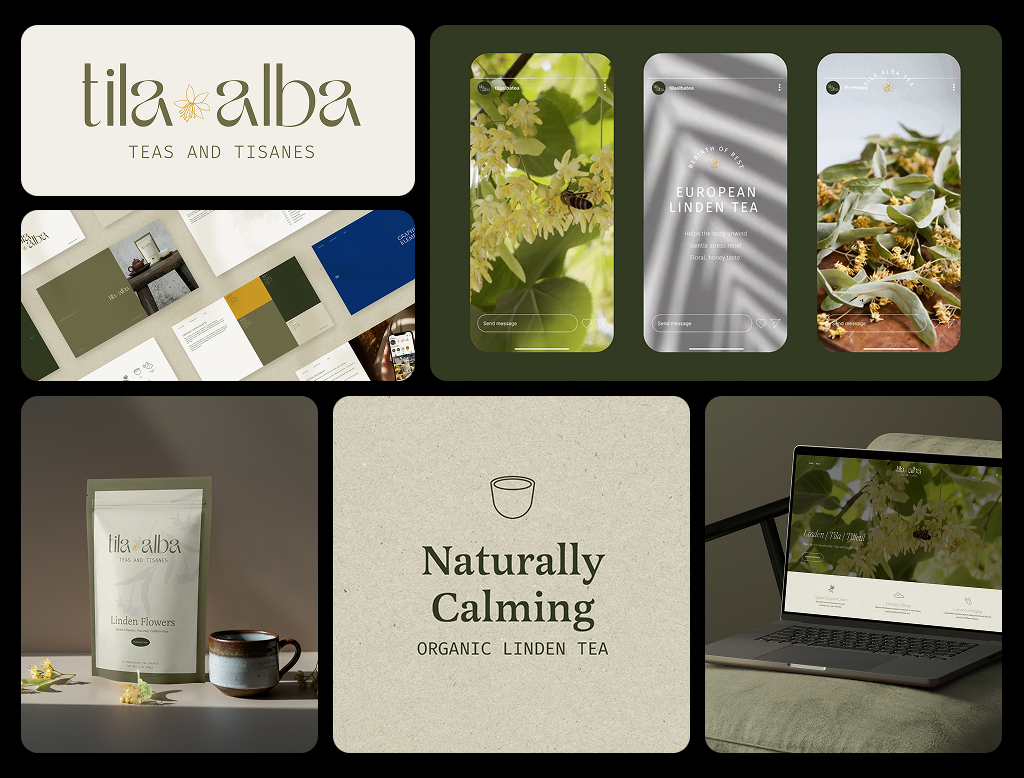
The ideas, strategy, and creative process all matter, but Leah kept coming back to another ingredient: trust. For Galena, a strong client relationship starts with realistic goals and timelines, openness to collaboration, and respect for the creative process.
Clients don’t need to know exactly what the final design should look like. That’s part of why they’re bringing in a creative partner. They do need to trust the process enough to explore, give feedback, and let the work evolve.
One of Leah's favorite projects was a tea brand where the founder had a clear vision but was also open to exploring different creative directions. That combination gave Galena room to experiment while keeping the project grounded in a shared goal.
That balance is what allows the creative process to actually work. The client brings their knowledge of the organization, audience, and goals. The creative partner brings the experience to translate those things into something tangible. Both sides have a role to play, and the strongest work happens when there’s room for both perspectives.
Why We Trust Galena Creative
That same approach is part of what makes our partnership with Galena work.
At TGL, we help organizations clarify their messaging through storytelling and digital strategy. Galena brings that thinking into the visual experience, helping audiences see, feel, and understand the message through intentional design.
Leah described the partnership this way:
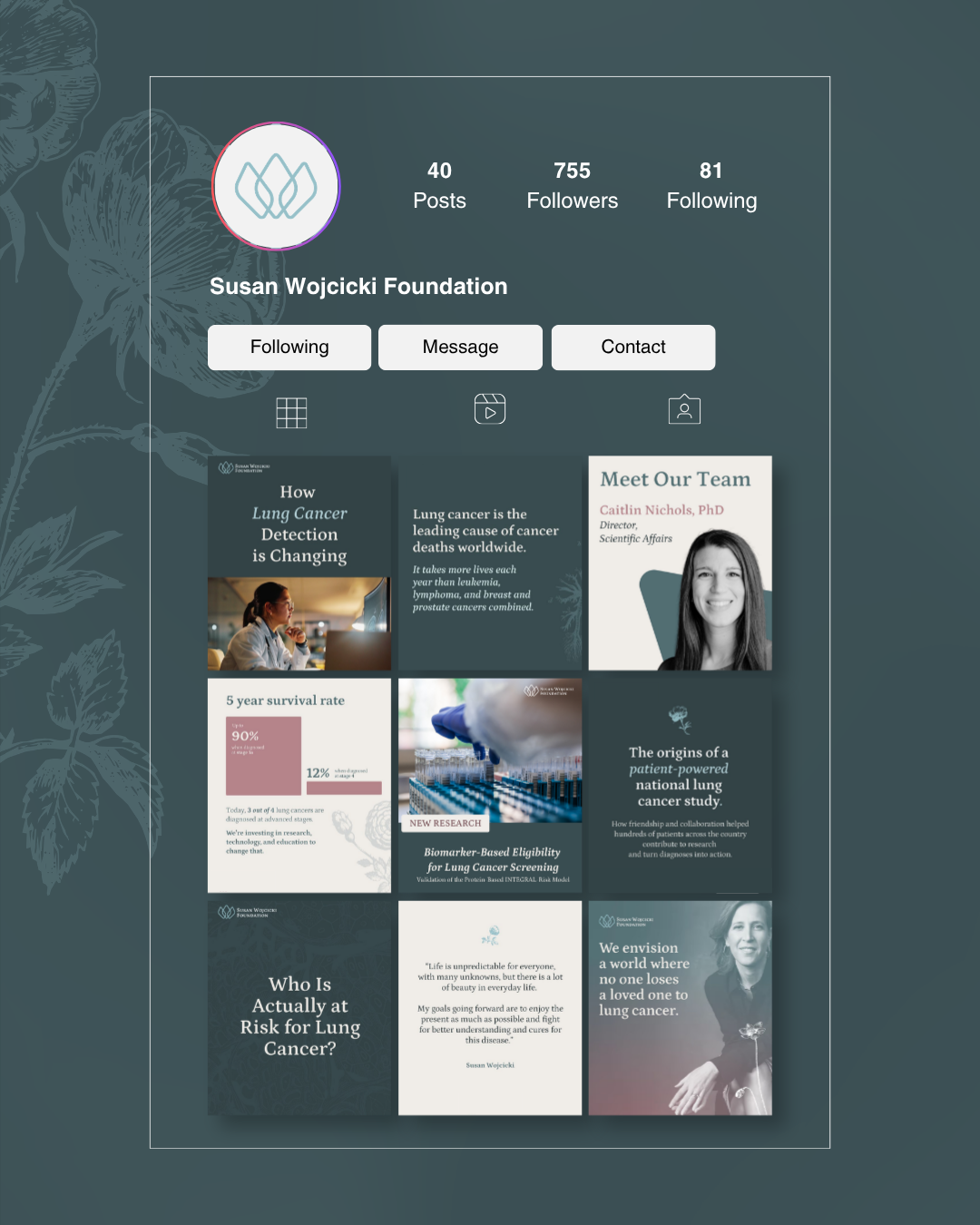
“Working together strengthens both the content and visuals behind a client's message, making the result clear, concise, and compelling.”
- Leah Ryan, Founder, Galena Creative
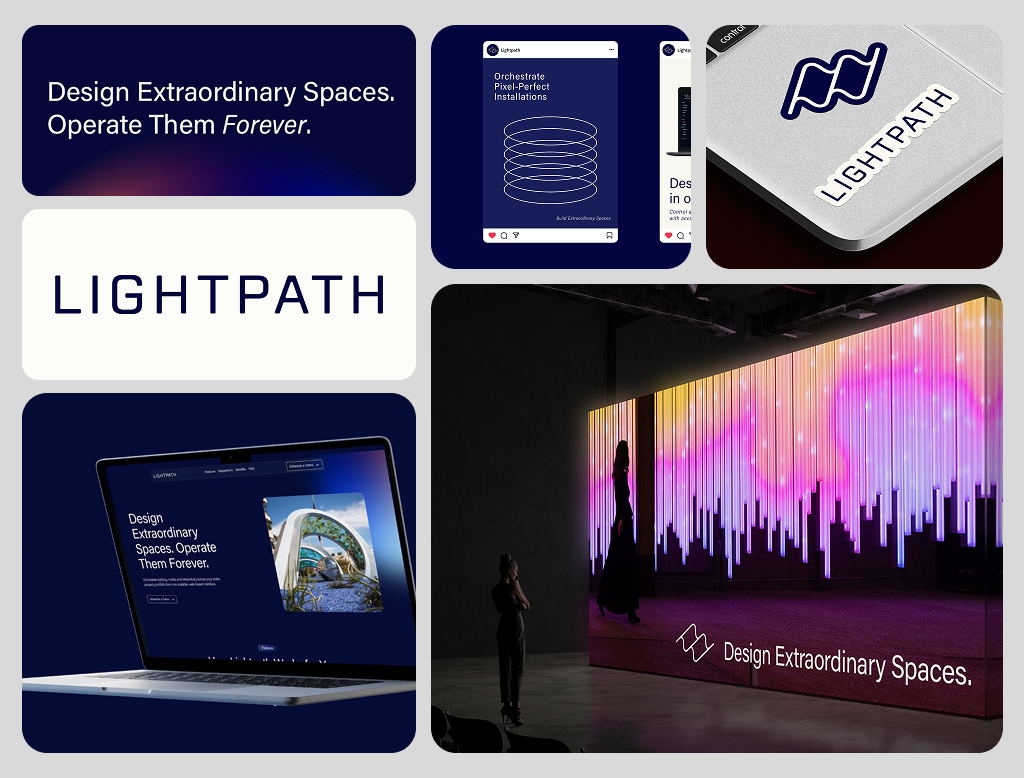
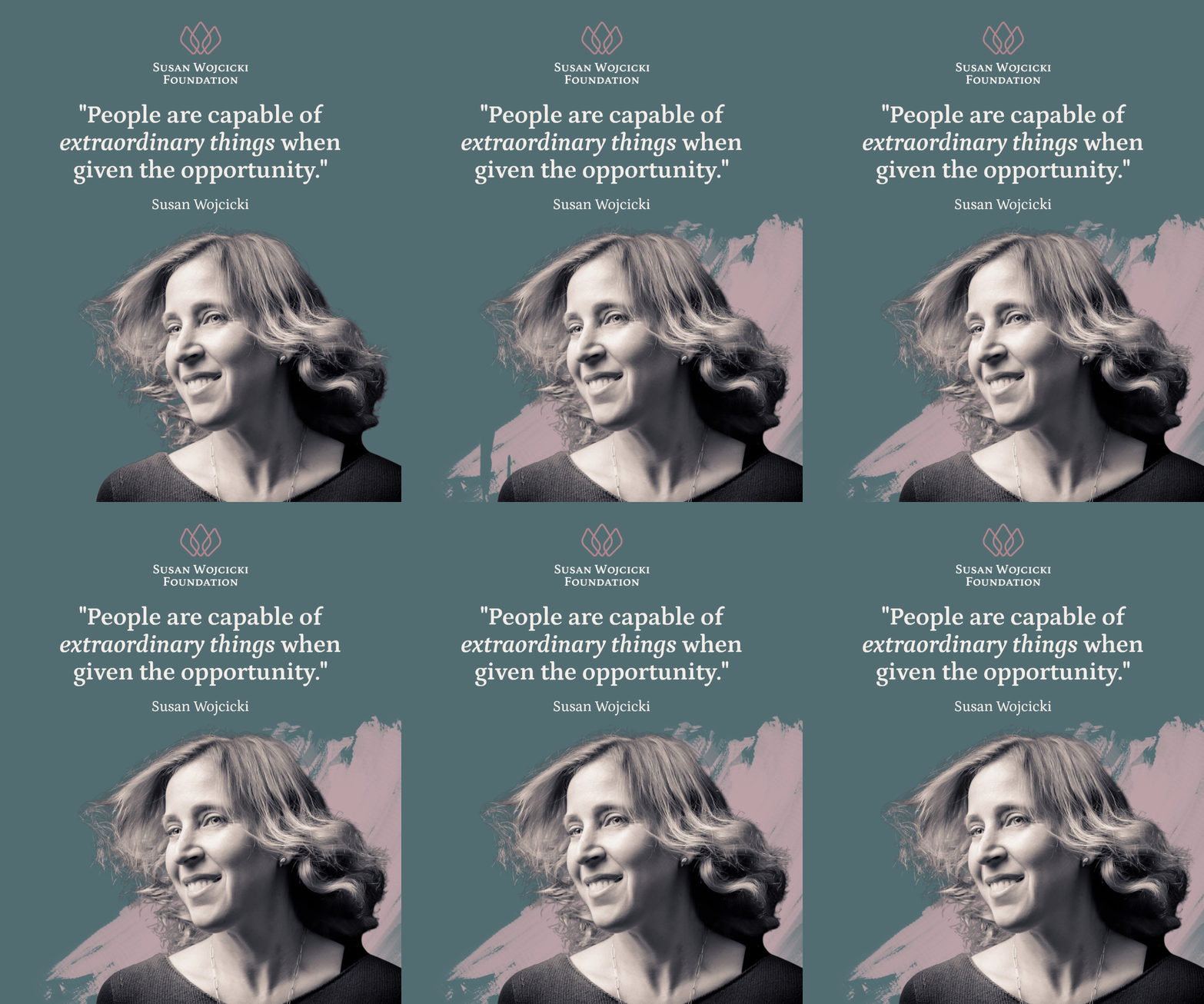
We've seen that firsthand through projects like Population Institute's social media training and the Susan Wojcicki Foundation's launch, where Galena has helped turn strategic ideas into visual systems and content.
When the message and the creative are working toward the same goal, the audience doesn't have to work as hard to understand it.
And after all the strategic thinking, there’s one final piece of creative advice: “Touch grass.”
Sometimes the best thing you can do for a creative project is step away from it. Take a walk. Put down the phone. Let your brain wander.
Good ideas need room to breathe.
If you missed our last one, TGL Trusted: Helping Important Work Be Seen and Understood with Eighty2degrees, give it a read! We talked about how thoughtful design can help mission-driven organizations communicate their work with more intention.
Until next time!