
TGL Trusted: Building Brands with Intention (with Friendly Design Co)
As we kick off the new year, we’re continuing the TGL Trusted series. Last year, we explored visual branding with JulieCo Creative and saw how thoughtful design goes deeper than surface-level aesthetics.
Today, we’re continuing our design talk with our friends and partners at Friendly Design Co.
We sat down with Ross Nover, Friendly’s Founder and Creative Director, and Hannah Karl, Design Director, to get their take on what makes design effective in branding, the challenges clients face, and how thoughtful partnerships elevate every project.
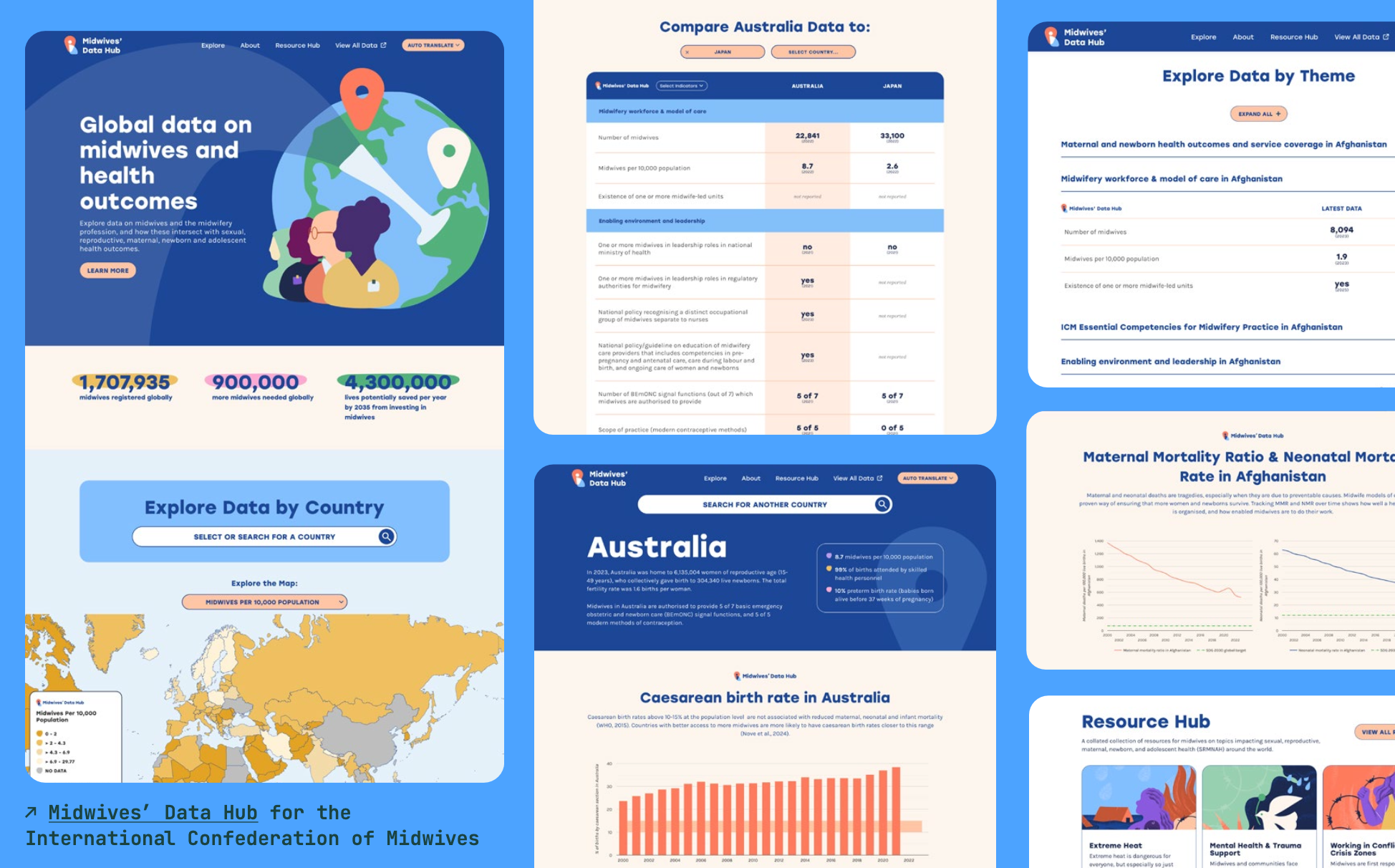
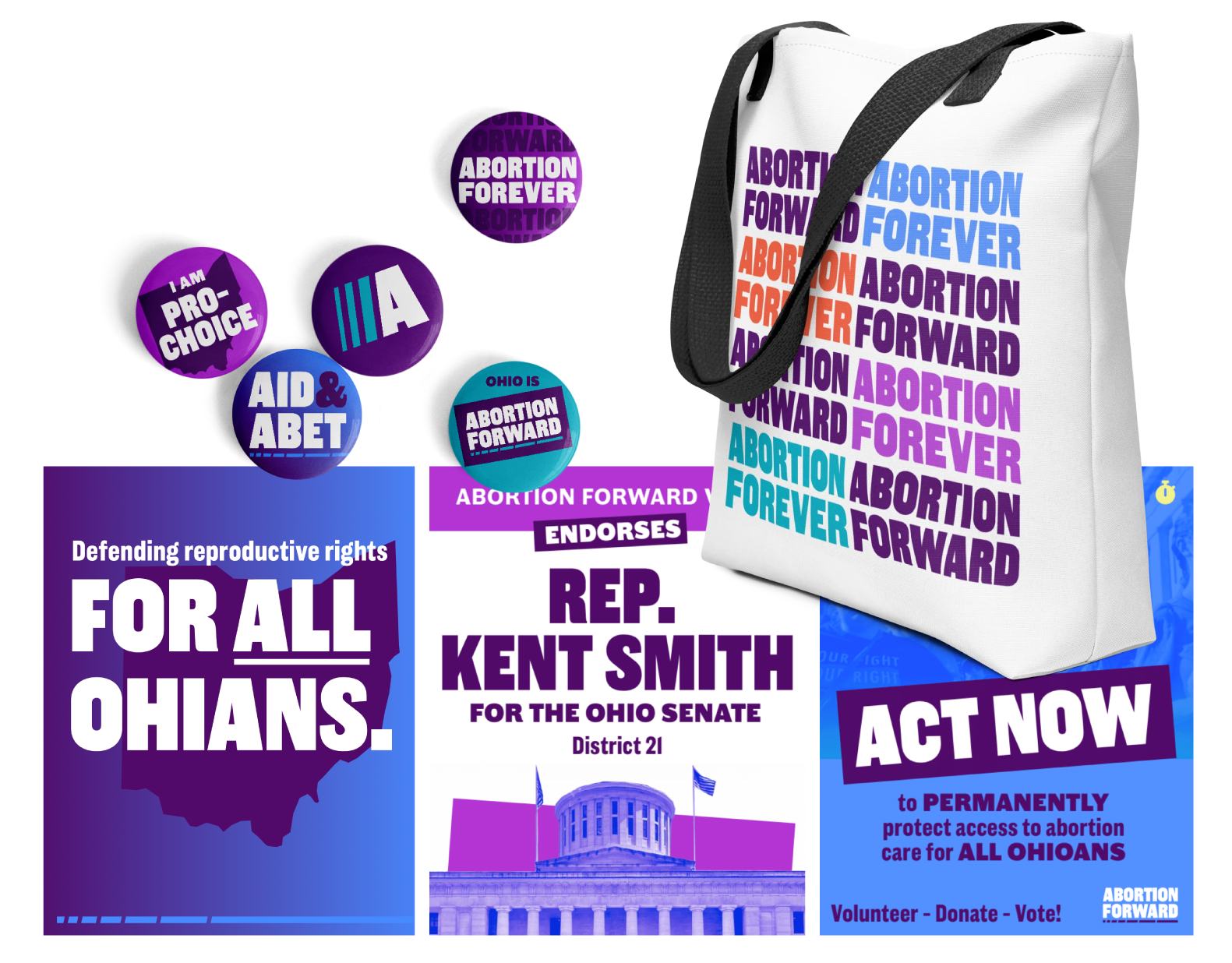
Friendly believes design can look good as well as do good. By pairing strategy and thoughtful execution, they help organizations solve real problems and foster meaningful change. Their work is rooted in collaboration, curiosity, and care for the people behind the scenes as well as the people impacted by every design decision.
Here’s how organizations can make their design choices more strategic and aligned with their message:
Treat Every Project as an Opportunity to Define Your Brand
Both Ross and Hannah emphasized that even projects that seem “simple,” like an event campaign, are really opportunities to define and communicate a brand’s identity.

“We often say ‘every project is a brand project’ because every website, report, or event campaign is made better by having a clear understanding of personality, audiences, values, and the story you’re trying to tell. We’d always rather know more than less.”
- Ross Nover, Creative Director, Friendly Design Co.
Ross also reinforced the idea that clarity and intentionality are essential:
“A big shift we’re seeing in content is the need to explain what you do in a way anyone can understand. It’s not just making a website accessible, but the content itself needs to be clear and approachable.”
- Ross Nover, Creative Director, Friendly Design Co.
This clarity becomes the foundation for every future content and design decision. Once you understand who you are as a brand, it becomes easier to determine who you’re speaking to and how to reach them.
Focus on the Audience That Matters Most
A common challenge in branding is trying to appeal to everyone. Both Ross and Hannah stressed the importance of narrowing in on the core audience.
“The more you can really narrow in on who the absolute number one audience is, the more effective everything becomes.”
- Ross Nover, Creative Director, Friendly Design Co.
Committing to a primary audience makes design and messaging decisions much clearer. For example, if a nonprofit identifies funders as its core audience, messaging naturally shifts toward outcomes, impact, and credibility rather than broad, inspirational statements. Visuals, content, and calls to action can all be tailored to resonate with that audience, while secondary audiences are considered without distracting from the main focus.
Tools like our Audience Discovery Guide can help you step back and define your primary audience before diving into execution, giving your team clear direction for focused, effective work.
Plan Content Early to Avoid Delays
Once you know who you’re speaking to, the next challenge is making sure the right content exists to support that message.
Ross highlighted a challenge that many organizations face: projects stall when content isn’t ready.
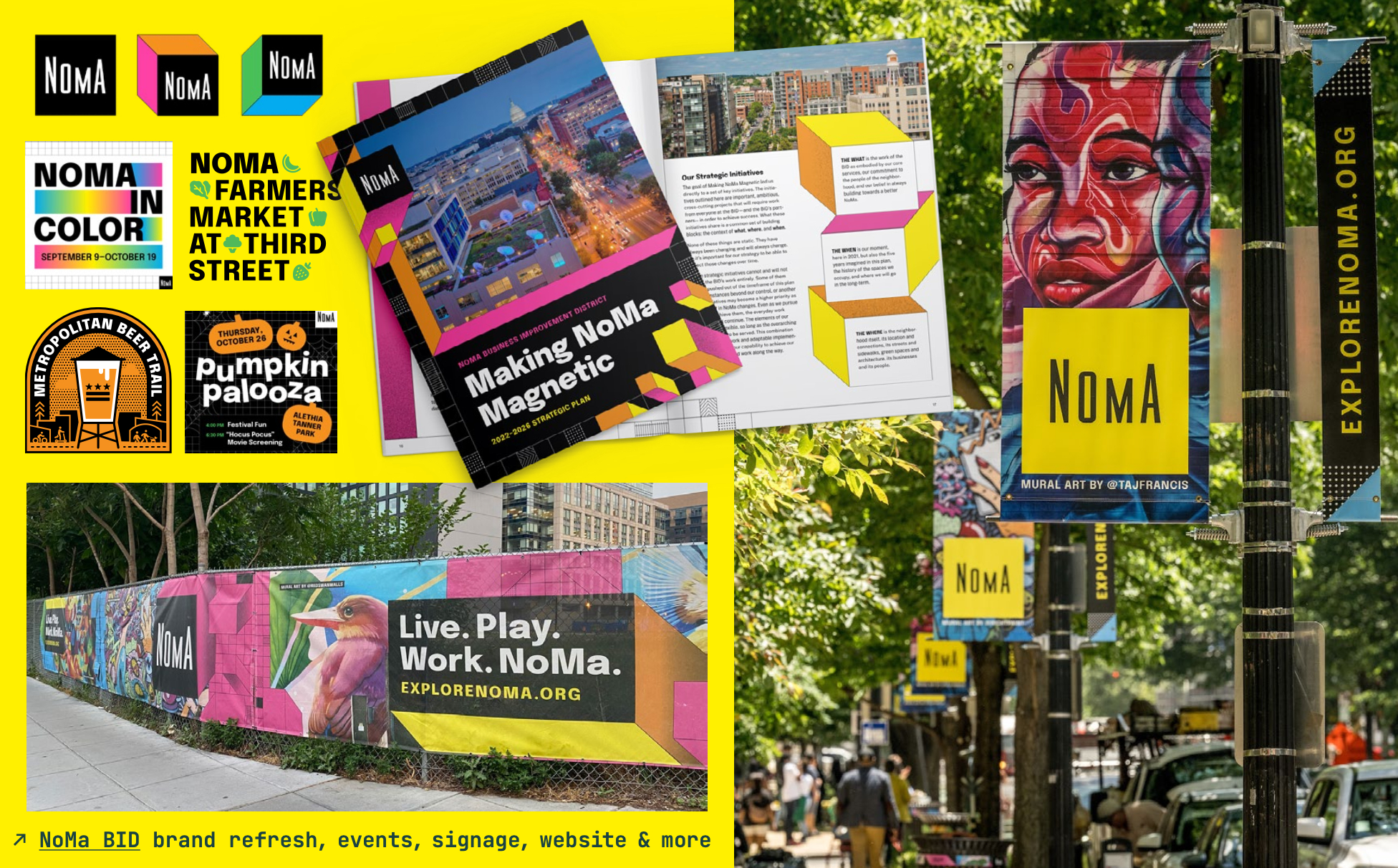
“The reason a project doesn’t finish on time is always because the content isn’t ready. That’s the truth.”
- Ross Nover, Creative Director, Friendly Design Co.
Content delays often come from underestimated needs like sourcing photos, securing approvals, or realizing key stories haven’t been documented yet. By anticipating content needs early, you can have a clear plan that ensures the project stays on track and delivers the most impact. This allows your team and partners to spend more time improving the work, rather than rushing to fill gaps late in the process.
Make Every Design Decision Intentional
Hannah shared one piece of advice that guides all her work:

“Make design decisions for a reason. To answer a question, solve a problem, convey certain values, or communicate a message. The design is most powerful when it feels like it truly fits that brand, and that brand only.”
- Hannah Karl, Design Director, Friendly Design Co.
Every element of your design should serve a purpose. Consider why a particular color, font, image, or layout is chosen, how it supports your brand story, and whether it communicates the right message to your audience. When you try to make decisions without this grounding, you open the door to personal opinions that are destined to disagree.
Intentional design balances strategy and creativity. Thoughtful decisions create clarity, build trust, and make your brand stand out in meaningful ways rather than feeling generic.
Partnerships Amplify Impact
Finally, both Ross and Hannah emphasized the importance of collaboration and alignment in their partnership with TGL.
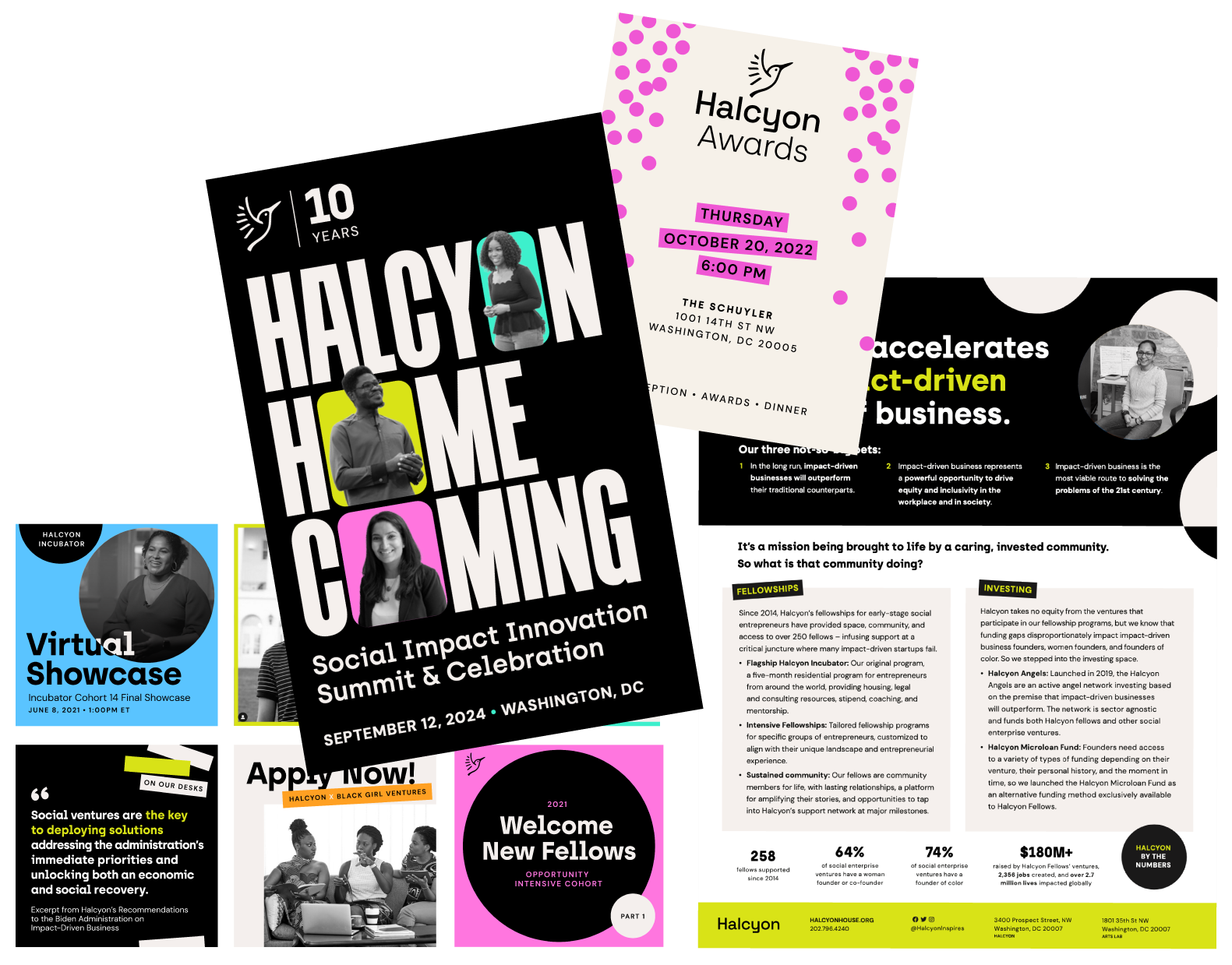
“We're all bringing good ideas to the table. It's an open, encouraging environment where we're thinking not just how we can check the boxes, but how we can make something the best it can be. And I think our clients really benefit from that.”
- Ross Nover, Creative Director, Friendly Design Co.
Friendly’s partnership with TGL shows how collaboration and alignment make design more effective. Strong partnerships reduce friction and produce more impactful outcomes for clients. Alignment on values and process is just as important as complementary skills.
Branding and design are as strategic as they are aesthetic. Choose one active project and ask yourself: Who is this really for, what problem is it solving, and how does each design decision support that goal? By applying specificity, thoughtful strategy, and collaboration, you can create designs and messages that resonate and deliver meaningful results.